We see CBDa vs CBD compared all the time, especially as people start getting a better understanding of how hemp extracts are made and how cannabinoids evolve throughout the process. So what is the difference between CBD and CBDa?
CBDa is the raw, acidic form found in freshly harvested hemp. CBD is created after decarboxylation, a heating process that removes a carboxyl group and changes how the compound behaves in the body.
For all intents and purposes, all CBDa becomes CBD. Anytime you buy CBD products, you’re buying the real deal. That CBD in your gummies, tinctures, capsules, or even topicals started as CBDa but has been decarbed, so you can actually tap into the benefits cannabis has to offer.
Learn more about CBD vs CBDa below. Or, explore our collection of full-spectrum CBD, broad-spectrum CBD, or CBD isolate at Medterra today for the best selection online.
“No complaints great service even better products I've tried 3 different types all 3 are great very calming.”
“The staff, the experience, and the product have been great! Has made a world of difference for my husband. Thank you!”
“I couldn't be happier with my recent order from Medterra. The logistics were flawless—the products shipped fast, arrived right on time, and were packaged really well (very secure and professional). But the quality is where Medterra truly shines. The products themselves felt top-notch, exactly as I’d hoped.”
What is CBD?
CBD is short for cannabidiol, the naturally occurring compound in hemp and marijuana everyone associates with the healing potential of cannabis.
It’s used in wellness routines because it interacts with the body’s endocannabinoid system (ECS), a network of receptors involved in mood regulation, sleep cycles, inflammatory response, and physical comfort.
What it doesn’t do is impair thinking or create any sort of high. That’s what makes it so great for daytime use or when you want relief without getting stoned.
Potential Benefits
-
May help ease everyday mental tension by influencing serotonin signaling pathways.
-
Might support better sleep habits when taken consistently at night.
-
Can help clear up post-exercise soreness and physical discomfort.
-
Commonly used to encourage focus and balance during busy workdays.
-
Works alongside other cannabinoids in broad or full-spectrum formulas for more well-rounded effects.
How Do You Use it?
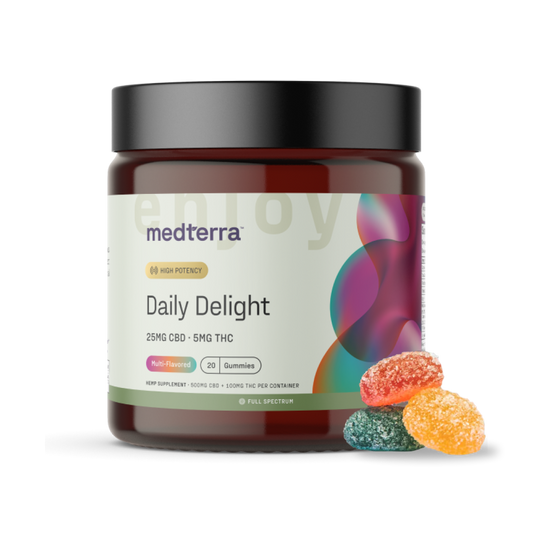
There are actually quite a few ways to use CBD - which is part of why they’re such a great addition to any self-care regimen. Our CBD gummies are the most popular because they’re easy to incorporate into a routine and can last up to 6 hours in some cases for sustained relief.
Then you have CBD tinctures, which are taken under the tongue (sublingually) for faster effects - but they can fade a little quicker, too. There are also CBD tablets which behave somewhat similarly to gummies as far as onset and duration.
CBD topicals are unique in that they are applied directly to the body rather than taken orally. You’ll find creams, roll-ons, lotions, and many other forms. They’re best for targeted relief, like sore muscles.
What is CBDa?
Very few people who use cannabis even know CBDa exists. Cannabidiolic acid is the raw precursor to CBD found in freshly harvested hemp. Like the relationship between THC and THCa, all CBD was first CBDa.
So how does it end up as CBD? It’s a process known as decarboxylation. Hemp (or marijuana, for that matter) is exposed to heat during drying, extraction, or cooking. This converts CBDa into CBD.
Here’s the thing, though. Almost every product on the market goes through decarboxylation before reaching the market. So you’ll never really come across CBDa.
Potential Benefits
-
CBDa interacts with certain serotonin-related pathways and may have an effect on nausea and mood.
-
Some preliminary lab studies have found promising connections to inflammation-related signaling.
-
CBDa reflects the plant’s original chemical state rather than a finished supplement ingredient.
How Do You Use it?
You don’t! CBDa is not really available to the average person. And even if you could get your hands on CBDa, just about any consumption method would involve decarboxylation, so you’d ultimately be consuming CBD anyhow.
Preserving CBDa for consumption would be really difficult. You’d have to avoid any sort of processing or heat exposure. Even still, decarboxylation happens slowly over time - it’s inevitable.
A few niche extracts advertise “raw hemp” content, but they are uncommon compared to conventional CBD oils, gummies, or capsules. That’s why the CBDa vs CBD comparison is actually not a real one as far as choosing between the two. You’ll always go with CBD.
CBDa vs CBD: Key Differences to Consider
So what is the difference between CBD and CBDa? These are the most important takeaways from our CBDa vs CBD comparison:
-
Chemical structure: CBDa is the acidic, raw form found in fresh hemp. CBD is the activated version created when heat removes a carboxyl group during processing. All CBD was originally CBDa, just like all THC started as THCa.
-
Availability in products: Gummies, tinctures, and capsules contain CBD because any CBDa content is transformed after extraction and during shelf storage. Pure CBDa products are uncommon and harder to standardize.
-
Research depth: CBD has years of human data and consumer use behind it. CBDa research is still limited. Most findings come from early lab work, not large clinical studies.
-
How the body handles them: CBD interacts with multiple receptor systems tied to mood, sleep, and physical comfort. CBDa appears to influence some serotonin-related pathways, but we know next to nothing about its role in daily wellness.
-
Practical use: CBD supports consistent dosing, predictable labeling, and clear instructions. CBDa is rarely the main ingredient in mainstream hemp supplements.
Like we said earlier, you really don’t need to stress about picking between CBD vs CBDa. There is rarely going to be an instance where you have access to CBDa products in the first place!
Is CBDa More Effective Than CBD?
Definitely not. CBD has far more real-world data, stable formulations, and clearly labeled products, which makes it easier to use consistently. CBDa is never actually used in wellness, because it always converts to CBD by the time it reaches you.
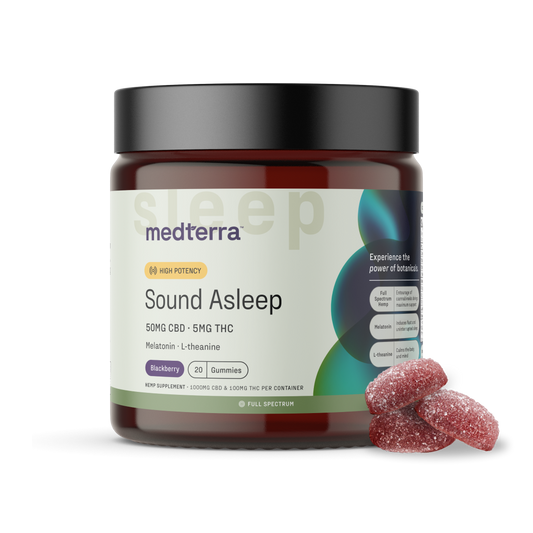
All that being said, we invite you to explore our selection of world-renowned CBD products here at Medterra. Whether you’re looking for CBD for sleep or CBD focus products, our formulas are carefully tailored to a specific goal. You’ll get not just CBD but minor cannabinoids and complementary botanicals based on your needs.
Everything is lab tested for potency and purity and backed by our satisfaction guarantee. Shop Medterra today and see what keeps people coming back for more!
Closing Thoughts on CBD vs CBDa
That does it for our CBDa vs CBD comparison. In closing, what is the difference between CBD and CBDa? The main takeaway is simple: CBDa is the raw starting compound in hemp, while CBD is the stable, widely available form people actually use in daily routines.
You can learn more about CBD vs CBG, CBN vs CBD gummies, or CBD capsules vs gummies in our blog if you’re curious. Otherwise, all that’s left to do is spoil yourself at Medterra today. Find your new favorite CBD products today!
Frequently asked questions
What is CBDa good for?
CBDa is the raw precursor to CBD found in freshly harvested hemp. We know it might have some interaction with serotonin-related pathways, but real-world wellness products rely on CBD because it is more stable and widely studied.
What’s the difference between CBD and CBDa?
The CBDa vs CBD difference is simple - all CBD starts as CBDa. CBDa exists before heat is applied to hemp, while CBD forms after decarboxylation during processing. CBD is the version most gummies, capsules, and tinctures contain.
How do I actually use CBDa products?
You don’t. It’s not possible. Anytime you bring heat into the picture (as you would with smoking, vaping, or baking), CBDa becomes CBD. That’s a good thing - CBD is the form with clinical research supporting its use in wellness, after all!
Which is better for anxiety, CBD or CBDa?
CBD has far more human data and predictable serving sizes. There’s little to no research showing CBDa has an impact on anxiety, because people don’t actually use CBDa.
Is CBD or CBDa better for sleep?
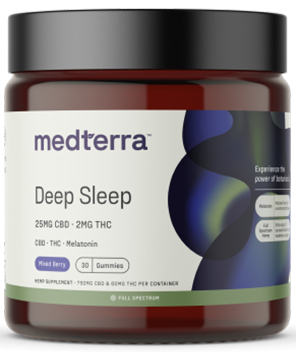
CBD is the more practical choice for nighttime routines since it appears in sleep-focused formulas alongside ingredients like melatonin or calming cannabinoids. CBDa is not commonly used in sleep products and lacks the same level of real-world guidance.